













Forensic Neuropsychological Evaluation

Independent, Court-Ready Neuropsychological Evaluations for Children and Adolescents

What Is a Forensic Neuropsychological Evaluation?

A specialist talking with a family during a family consultation.
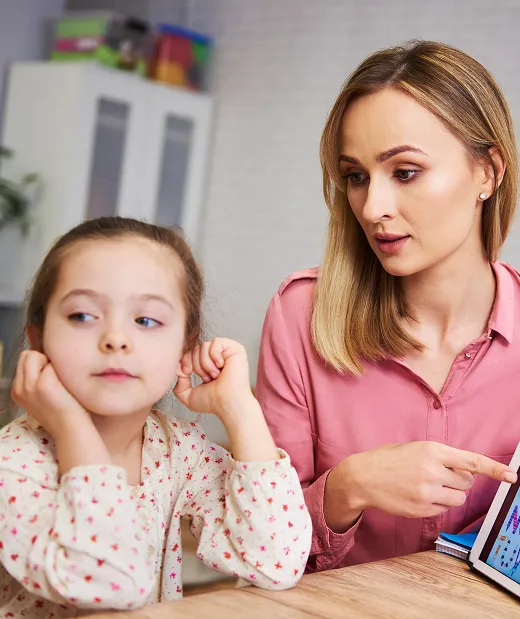
A psychologist pointing to a colorful children's book during a session with a young girl.

Why Attorneys and Families Choose Children's BMC

Our forensic work is backed by clinicians with more than 50 years of combined experience in hospital-based pediatric care, including fellowship-trained neuropsychologists with deep knowledge of neurodevelopmental and medical conditions, a clinician with a specialized focus on pediatric head injury, and a clinician with a background in forensic evaluation.
We conduct every evaluation as a neutral examiner, following accepted forensic practice guidelines and documenting our methods so the findings withstand scrutiny. Retaining parties get an examiner who is qualified, prepared, and credible under cross-examination. New matters can typically be discussed within one week of inquiry.

Not Sure Which Service Your Child Needs?

Many families aren’t sure which service is the best fit – and that’s completely normal. Our team can discuss your child’s specific situation and recommend the right starting point. We’re here to help you figure it out.

Parent, child & specialist collaborating during a clinical workshop.

Types of Forensic Evaluations We Provide

Focused on the areas where our pediatric neuropsychology expertise applies directly.

Pediatric Brain and Personal Injury

Evaluation of cognitive, academic, and emotional functioning after a traumatic brain injury or concussion, quantifying impact for questions of damages and future need.

Educational and IDEA Disputes

Independent educational evaluations and assessments supporting due process under the Individuals with Disabilities Education Act, including qualification and program-adequacy questions.

Independent Examinations and Record Review

Independent medical examinations (IME) and focused review of existing records to test prior conclusions, identify gaps, and provide an objective second opinion.

Juvenile Justice and Competency Evaluations

Assessment of developmental maturity, executive functioning, and cognitive or intellectual impairments to inform legal questions regarding a juvenile’s competence to stand trial, capacity to waive Miranda rights, or mitigation factors during sentencing.

Medical Malpractice and Birth Injury Claims

Comprehensive evaluation of neurodevelopmental outcomes following suspected birth trauma, neonatal hypoxia, toxic exposures, or pediatric medical errors. These assessments help isolate the impact of the medical event from baseline factors and quantify lifelong care and support requirements.

How the Forensic Evaluation Works: Step by Step

A male doctor showing a digital tablet to a young patient and their mother.
serpro-icon
Intake and Scope

We speak with the retaining party to define the referral question, confirm the matter is within our expertise, and agree on scope, timeline, and terms before any evaluation begins.

serpro-icon
Records and History

We review the relevant medical, educational, and developmental records and gather the background needed to evaluate the specific question at issue.

serpro-icon
Evaluation and Testing

Standardized testing is administered one-on-one with the child, typically across two sessions of 2 to 3 hours each, in a supportive environment with built-in breaks so the data reflect true functioning.

serpro-icon
Report and Testimony

We deliver a detailed written report explaining our methods, findings, and opinions in clear terms. When a matter proceeds, our clinicians are available for deposition and court testimony.

How to Get Started

1. Call Us
2. Your First Appointment
3. Begin Care

A member of our team will talk with you about your child’s needs, help identify the right service, and answer any initial questions. No referral needed. Call us at (253) 256-3626 or email admin@childrensbmc.com.

We begin with an intake or consultation to understand your child’s history, gather information, and learn what matters most to you and your child. Bring any school evaluations, IEP/504 plans, past evaluations, or report cards you have – but if you don’t have anything, that’s fine too.

Whether you’re starting an evaluation, therapy, or a skills group, we guide you through each step and keep you updated throughout the process. We’re collaborative from day one – a partner in your child’s journey.

If you’d like details about insurance, fees, what to expect, and frequently asked questions, you can learn more at Get Started.

free-intake-call
About Commitment
How to Start

Frequently Asked Questions

Attorneys, guardians ad litem, parents, and guardians. Many forensic referrals come from legal counsel, though parents and guardians may also contact us directly.

Yes. We serve as neutral examiners and report what the data show, regardless of which party retained us. We follow accepted forensic practice guidelines and do not provide advocacy evaluations.

Pediatric brain and personal injury, educational and IDEA disputes, and independent examinations and record review. If a matter falls outside our expertise, we will tell you.

Yes. When a matter proceeds, our clinicians are available to provide expert testimony at deposition and in court.

Engagements are quoted per matter based on scope and complexity, billed on a retainer and hourly basis, with separate fees for deposition and court testimony. Forensic evaluations are retained engagements and are not billed to insurance.

We can typically discuss a new matter within one week of your inquiry. Evaluation and report timelines depend on scope and records, and we confirm a schedule when we define the engagement.

Children’s Behavioral Medicine Collaborative

Ready to Support Your Child?

You don’t have to figure this out alone. We’re here to help.

footprint img
phone icon